

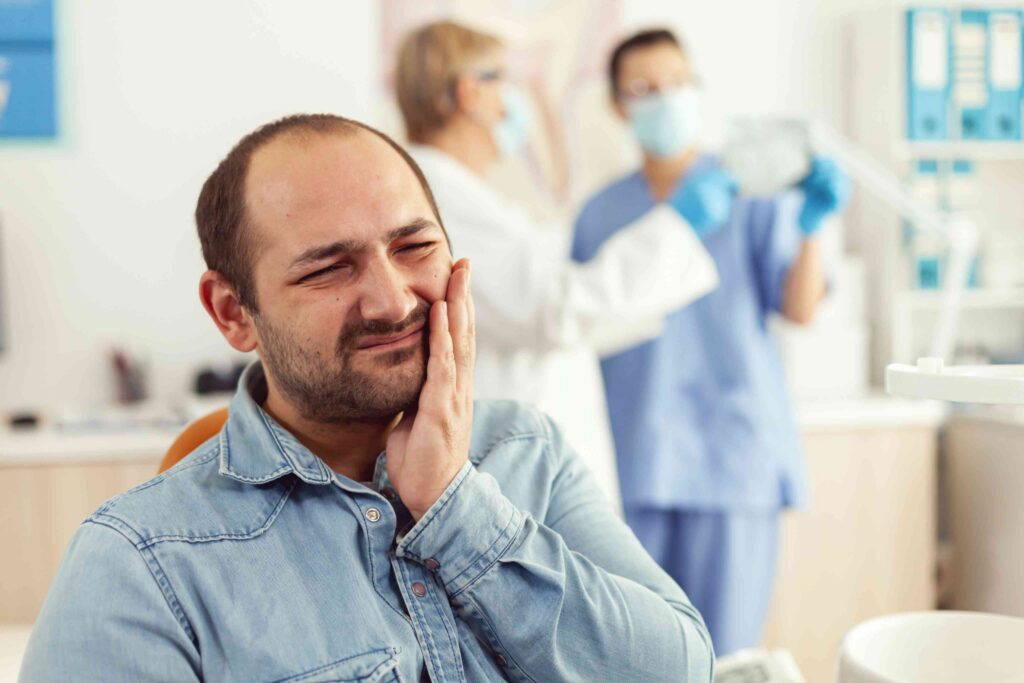
An emergency dentist in Northeast Philadelphia, PA visit may be needed when patients have severe tooth pain, swelling, broken teeth, dental trauma, uncontrolled bleeding, knocked-out teeth, or signs of infection. Urgent dental care often begins with a focused exam, symptom review, and X-rays when needed to identify the cause. Northeast Philadelphia patients should seek prompt care for facial swelling, fever, spreading pain, trauma, heavy bleeding, or symptoms that continue to worsen.
Dental problems can interrupt a normal day without warning. A tooth may start throbbing during work; a filling may break while eating, or swelling may appear around the gums. For patients in Northeast Philadelphia, it can be hard to know whether the problem should be handled right away or watched for a short time.
Someone searching for an emergency dentist in Northeast Philadelphia, PA usually needs clear guidance quickly. Some dental concerns can wait for a routine appointment, but severe pain, swelling, trauma, heavy bleeding, or infection signs should be checked promptly.
Emergency dental care focuses on finding the source of the problem. Once the cause is clearer, the dentist can explain whether temporary care, a filling, crown, root canal treatment, extraction, medication, or follow-up care may be needed.
Why Sudden Dental Symptoms Need Attention
A dental emergency may begin with pain, swelling, bleeding, trauma, or damage to a tooth or restoration. These symptoms can affect eating, sleeping, speaking, and daily comfort. They may also worsen if the cause is not treated.
Tooth pain may come from deep decay, a cracked tooth, infection, gum inflammation, bite pressure, or damaged dental work. A broken tooth may expose deeper layers and become sensitive. Swelling may point to infection in the tooth, gums, or surrounding tissue.
Northeast Philadelphia patients should not rely only on pain medicine if symptoms are severe or spreading. Medication may reduce discomfort for a short time, but it does not repair damaged teeth or treat infection inside the mouth.
When Emergency Dentist Northeast Philadelphia PA Care May Be Needed
Emergency dentist Northeast Philadelphia, PA care may be needed when symptoms suggest infection, injury, bleeding, or tooth damage that should not be ignored. Prompt evaluation can help the dentist understand the problem before it becomes more difficult to manage.
Urgent care may be needed for:
- Severe or worsening tooth pain
- Swelling in the gums, jaw, or face
- A cracked or broken tooth
- A knocked-out tooth
- A loose or displaced tooth after injury
- Uncontrolled bleeding
- A lost crown or filling with pain
- Fever with dental symptoms
- Pus, bad taste, or infection signs
A small chip without pain may be less urgent than swelling or trauma. Still, damaged teeth should be checked so the dentist can see whether the injury is deeper than it looks.
Tooth Pain That Should Not Be Ignored
Tooth pain may feel sharp, dull, throbbing, or pressure-like. It may happen only when chewing, or it may continue after hot or cold foods are gone. The pattern can help the dentist narrow down the possible cause.
Pain when biting may suggest a crack, cavity, high filling, or bite pressure. Lingering sensitivity may involve irritation inside the tooth. A deep ache with swelling may point to an infected tooth or gum problem.
A patient looking for an emergency dentist near Northeast Philadelphia should not wait if pain is severe, recurring, or spreading. Early evaluation may help prevent symptoms from becoming harder to manage.
Broken Teeth Lost Fillings and Loose Crowns
A broken tooth can happen after trauma, decay, grinding, or chewing hard food. Some breaks are easy to see. Others only cause pain when the tooth is under pressure. A sharp edge may irritate the cheek or tongue.
A lost filling or crown can expose sensitive tooth structure. Food may be packed into the area, and chewing may become uncomfortable. Patients should avoid chewing on that side until the tooth is checked.
During urgent dental care, the dentist may smooth a sharp edge, place a temporary repair, examine decay, or discuss a filling, crown, root canal treatment, extraction, or another option. The treatment depends on how healthy the tooth remains.
Swelling Fever and Infection Warning Signs
Swelling should always be taken seriously. It may be linked to an abscessed tooth, gum infection, or another dental emergency. Warning signs can include fever, pus, a bad taste, gum tenderness, or pain that spreads into the jaw.
Severe facial swelling, difficulty swallowing, difficulty breathing, or fever with dental symptoms needs immediate medical or dental care. These signs may suggest an infection that should not be delayed.
Northeast Philadelphia patients arranging an emergency visit should share details about swelling, fever, drainage, or spreading pain. This helps the dental team understand the level of urgency and plan the visit more safely.
Dental Trauma and Knocked-Out Teeth
Dental trauma may involve a knocked-out tooth, loose tooth, displaced tooth, broken tooth, cuts inside the mouth, or jaw injury. Even if pain seems mild, trauma should be checked because roots, nerves, and supporting bones may be affected.
If a tooth is knocked out, hold it by the crown and avoid touching the root. Keep it moist in milk or inside the cheek if safe. Seek urgent dental attention quickly because timing can affect whether the tooth may be saved.
If a tooth is pushed out of position, do not force it back. If bleeding is heavy or does not stop, urgent care is needed. Trauma should be treated with care and evaluated as soon as possible.
How an Emergency Dental Visit Can Help
Emergency dental care helps identify the cause and stabilize the situation. Not every final treatment can be completed in one visit, especially if infection, swelling, or complex damage is present.
Urgent care may include:
- A focused dental exam
- X-rays when needed
- Pain and bite assessment
- Infection evaluation
- Temporary repair
- Smoothing a sharp edge
- Medication when appropriate
- Treatment planning for follow-up care
For Northeast Philadelphia patients, an emergency appointment can provide direction. Even if another visit is needed, the patient should understand what was found and what symptoms need close attention.
What Usually Happens During the Appointment
An emergency dental visit usually starts with a review of symptoms. The dentist may ask when the problem began, whether pain is getting worse, what triggers discomfort, and whether swelling, fever, bleeding, or injury occurred.
The exam may include checking the painful area, nearby teeth, gums, bites, and soft tissues. X-rays may be recommended to look for decay, fractures, infection near the root, bone changes, or concerns under older restorations.
If an emergency dentist in Northeast Philadelphia, PA for treatment is needed, the dentist can explain the diagnosis and available options. Some patients may need a temporary repair first. Others may need restorative, endodontic, surgical, or follow-up care depending on the problem.
What to Do Before You Get Dental Help
Before the visit, patients should protect the area. Rinse gently with warm water if there is debris. Use a cold compress on the outside of the cheek if a swelling or injury occurs. Avoid chewing on the painful side.
If a filling or crown comes out, keep it and bring it to the appointment. If a tooth is knocked out, keep it moist and seek urgent care quickly. Do not scrub the tooth root.
Do not place aspirin directly on the gums or teeth because it can irritate tissue. Do not use sharp objects to remove stuck food. Heavy bleeding, facial swelling, fever, or trouble swallowing should be treated urgently.
Local Patient Review
“I had sudden tooth pain and was not sure what was causing it. The visit helped explain the problem clearly and what needed to happen next.”
A Safer Next Step for Sudden Dental Pain
Emergency dental symptoms should be evaluated before pain, swelling, or damage becomes harder to manage. Northeast Philadelphia patients can seek urgent care when tooth pain, trauma, broken teeth, bleeding, or infection signs appear. With Advanced Family Smiles, emergency visits can focus on identifying the cause, explaining treatment choices, and helping patients move forward with practical care.
Frequently Asked Questions
What is considered a dental emergency?
A dental emergency may include severe tooth pain, swelling, trauma, uncontrolled bleeding, a knocked-out tooth, or infection signs. Worsening symptoms should be checked promptly.
Should I see a dentist if tooth pain comes and goes?
Yes, pain that comes and goes can still point to decay, cracks, nerve irritation, or gum problems. A dental exam can help find the cause.
What should I do if I break a tooth in Northeast Philadelphia?
Avoid chewing on that side, rinse gently, and keep any broken pieces if possible. A dentist should check whether the damage is shallow or deep.
Can swelling near a tooth be serious?
Yes, swelling may be related to infection and should be evaluated quickly. Fever, spreading swelling, or trouble swallowing needs immediate attention.
Will emergency dentist Northeast Philadelphia PA care fix the issue in one visit?
Some problems can be treated the same day, while others need temporary care and follow-up. The dentist will diagnose the issue and explain the safest next step.
Can a lost crown become urgent?
Yes, a lost crown may become urgent if the tooth is painful, sharp, sensitive, or difficult to chew on. The tooth should be protected and checked.
What should I do for a knocked-out tooth?
Hold the tooth with the crown, keep it moist, and seek urgent dental care quickly. Do not scrub the root or let the tooth dry out.
When are infection signs urgent?
Pus, fever, swelling, spreading pain, or a bad taste may point to infection. Facial swelling or trouble breathing or swallowing needs immediate medical attention.