

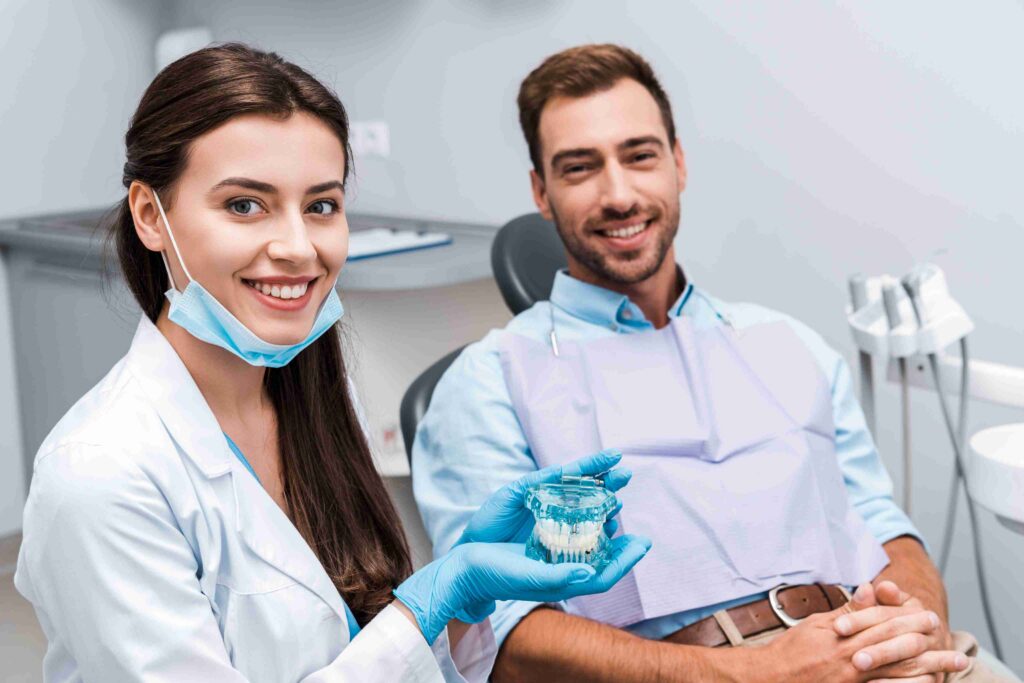
A dentist in Bensalem, PA search often comes from patients who need routine exams, cleanings, gum checks, cavity care, tooth sensitivity support, or long-term oral health planning. Regular dental visits may help identify concerns before they become painful or more complex. Bensalem patients can benefit from preventive dental care because exams and cleanings allow the dentist to check teeth, gums, bite, restorations, and oral tissues while offering practical home care guidance.
Small dental symptoms can be easy to brush aside. A tooth may feel sensitive with cold drinks; gums may bleed only in one area, or a filling may feel rough but not painful. Some Bensalem patients wait because the problem seems mild, but early changes can still deserve attention.
A person searching for dentist Bensalem, PA care may need a routine cleaning, a cavity check, help with sensitivity, or guidance after time away from dental visits. Routine appointments give patients a chance to understand what is happening before symptoms become more difficult to manage.
Everyday dental care should be practical. Exams, cleanings, home care guidance, and follow-up planning can work together to support healthier teeth and gums over time.
Why Routine Dental Care Helps
Routine dental care supports prevention, early detection, and long-term planning. Cavities, gum inflammation, enamel wear, cracks, and loose dental work may begin quietly. Pain is not always the first sign.
A dentist near Bensalem can review the mouth instead of focusing only on one symptom. Sensitivity may come from gum recession, decay, grinding, a crack, or worn enamel. Bleeding gums may be linked to plaque buildup, tartar, gum disease, or brushing technique.
Regular visits also create a record of change. The dentist can compare gum measurements, X-rays, restorations, tooth wear, and symptoms over time. That can make treatment decisions clearer.
What Dentist Bensalem PA Patients Can Expect
Patients seeking dentist Bensalem, PA care often want help with both prevention and current concerns. A routine appointment may include a review of health history, medications, symptoms, oral hygiene habits, and recent changes.
The dentist may check the teeth, gums, bite, jaw movement, tongue, cheeks, and existing dental work. X-rays may be recommended when needed to look between teeth, under fillings, below the gumline, or near the roots.
If treatment is needed, the dentist should explain why. Some patients may need a filling, gum care, crown evaluation, bite review, night guard discussion, or follow-up visit. Others may only need monitoring and home care advice.
Dental Exams and Early Detection
Dental exams help identify concerns that may not be visible or painful yet. A small cavity may be easier to treat than one that reaches deeper tooth layers. A cracked tooth may be easier to protect before a larger break happens.
During an exam, the dentist may look for enamel softening, worn tooth edges, gum pockets, recession, oral tissue changes, loose restorations, and signs of grinding. The bite may also be checked if the patient reports about jaw soreness or chewing discomfort.
Bensalem patients should mention symptoms even if they seem minor. Sensitivity, food trapping, bad breath, bleeding gums, and changes around older dental work can all help guide the evaluation.
Dental Cleanings and Gum Health
Dental cleanings remove plaque and tartar that brushing and flossing may be missed. The plaque is soft and sticky. Tartar is a hardened buildup that cannot be removed at home with a toothbrush.
When Tartar stays near the gumline, it can irritate the gums. This may lead to bleeding, tenderness, swelling, or deeper gum concerns. Cleaning helps remove buildup and gives the dental team a chance to see where home care may need adjustment.
A patient visiting a dentist near Bensalem may need a routine cleaning or more focused on gum care depending on gum health. The right schedule depends on plaque levels, gum conditions, history of periodontal disease, and daily oral hygiene.
Preventive Dental Care at Home
Preventive dental care includes both dental visits and home habits. Brushing twice daily, cleaning between teeth, drinking water, limiting frequent sugary snacks, and using fluoride toothpaste can support better oral health.
Home care should match the patient’s mouth. Someone with tight spaces may need a different cleaning tool than someone with crowns, bridges, implants, dentures, or gum recession. A patient with a dry mouth may need extra guidance because saliva helps protect the enamel.
Bensalem patients can use routine visits to ask where plaque collects, whether brushing technique is working, and how to clean difficult areas more effectively. Small changes in daily habits may reduce risk over time.
Common Reasons to See a Dentist
Not every dental visit is connected to pain. Many patients come in because they notice a small change or want to keep oral care on track.
Common reasons include:
- Routine dental exams
- Professional dental cleanings
- Tooth sensitivity
- Cavity checks
- Bleeding gums
- Bad breath or dry mouth
- Chipped or cracked teeth
- Jaw soreness or grinding
- Loose fillings or crowns
- Cosmetic questions
Someone searching for dentist Bensalem, PA may not know what type of care they need. A dental exam can help determine whether the concern is preventive, restorative, cosmetic, urgent, or something that should be watched.
Small Symptoms That Should Be Mentioned
A tooth that hurts only when biting may still need evaluation. It could point to a crack, high filling, deep decay, or bite pressure. Sensitivity that lingers after cold or heat may also deserve closer review.
Bleeding gums should not be dismissed as normal. Gums may bleed because of plaque buildup, tartar, inflammation, brushing technique, or gum disease. Bad breath that keeps returning may also be linked to oral health concerns.
Bensalem patients should describe when symptoms happen, how long they last, and whether they are getting worse. These details can help the dentist find the cause more quickly.
Benefits Patients Often Want from Regular Dental Care
Routine dental care may feel simple, but it supports long-term comfort and prevention. The value comes from watching changes, keeping teeth clean, and making dental decisions earlier.
Patients may value:
- Cleaner teeth and healthier gums
- Earlier cavity detection
- Help with sensitivity concerns
- Monitoring of older fillings or crowns
- Guidance for brushing and flossing
- Support for dry mouth or bad breath concerns
- A clearer plan for future dental needs
- Better understanding of oral health habits
These benefits depend on consistency and home care. Dental visits can identify concerns, while daily habits help maintain progress between appointments.
What Usually Happens During a Routine Visit
A routine visit often begins with a conversation about current concerns. Patients should mention sensitivity, gum bleeding, dry mouth, jaw pain, loose dental work, or any medication changes.
Cleaning may be completed to remove plaque, tartar, and surface stain. The dentist then performs an exam to check teeth, gums, bites, soft tissues, and restorations. X-rays may be recommended based on symptoms, risk level, or the time since the last images.
For dentist Bensalem, PA care, the visit should end with clear next steps. This may include home care suggestions, treatment recommendations, monitoring, or a suggested timeline for the next preventive visit.
How to Make Dental Visits More Helpful
Patients can make appointments more useful by sharing details that may seem small. A tooth that only hurts with cold water, gums that bleed sometimes, or a crown that feels different when chewing can all guide the exam.
Direct questions also help. Patients can ask why a tooth is sensitive, whether gum health is improving, what areas are hard to clean, or whether older fillings need monitoring. Clear questions lead to clearer care.
Bensalem patients who feel nervous should mention it. A dental team can explain steps, pause when needed, and make the visit feel more predictable. Feeling informed can make routine care easier to continue.
Local Patient Review
“I had a few small concerns and wanted a clear explanation before everything became worse. The visit helped me understand what needed care and what could be monitored.”
A Steady Way to Protect Oral Health
Routine dental care gives Bensalem patients a clearer way to understand small changes before they become harder to manage. Exams, cleanings, and home care guidance can work together to support comfort and prevention. At Advanced Family Smiles, dental visits can focus on practical guidance, clear explanations, and long-term oral health planning.
Frequently Asked Questions
How often should I see the dentist?
Many patients benefit from dental visits about every six months, but some need a different schedule. Your dentist may recommend timing based on gum health, cavity risk, and oral hygiene.
What happens during a dental exam?
The dentist checks teeth, gums, bites, oral tissues, and existing dental work. X-rays may be recommended when needed to see areas that are not visible during the exam.
Are dental cleanings needed if I brush every day?
Yes, brushing helps remove plaque, but it cannot remove hardened tartar. Professional cleaning helps protect gum health and support early detection of dental concerns.
Why should I see a dentist in Bensalem PA for sensitivity?
Sensitivity may come from enamel wear, decay, gum recession, cracks, or bite pressure. A dental exam can help find the cause before symptoms worsen.
What is preventive dental care?
Preventive care focuses on reducing the risk of cavities, gum disease, and other oral health problems. It may include exams, cleanings, X-rays, fluoride guidance, and home care advice.
Can a dentist help with bleeding gum?
Yes, bleeding gums may be linked to plaque buildup, tartar, brushing technique, or gum disease. A dentist can check the cause and recommend appropriate care.
Should I wait if a tooth only hurts sometimes?
No, occasional tooth pain can still point to a cavity, crack, bite issue, or gum problem. Checking it early may make treatment simpler.
What should I ask during my dental visit?
Ask about cavity risk, gum health, brushing habits, flossing technique, sensitivity, and any dental work that needs monitoring. These questions can help you understand your oral health better.