

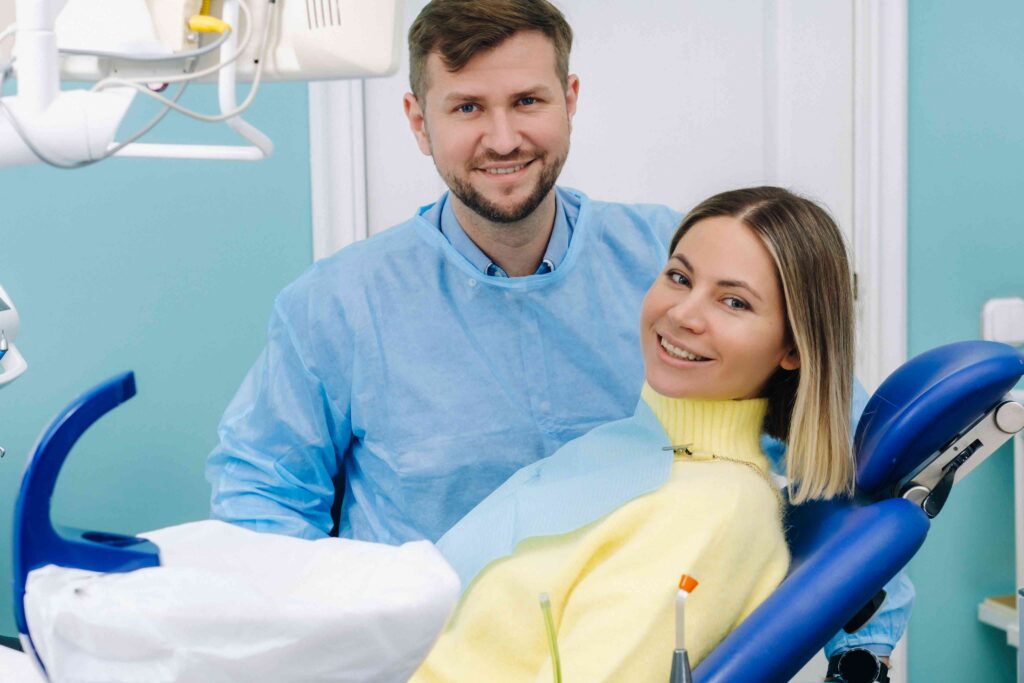
A family dentist in Northeast Philadelphia, PA. The search often comes from households that want dental care for children, teens, adults, and older family members in one setting. Family dental care may include exams, cleanings, cavity checks, gum monitoring, children’s dental guidance, and preventive dentistry for different ages. Northeast Philadelphia families benefit from steady dental visits because oral health needs to change over time. Each patient should receive care based on age, comfort, habits, and risk.
Dental care can look different for each person in the same family. A child may need help learning how to brush well; a teen may need guidance around snacks or sports, and an adult may need gum monitoring, tooth repair, or help with sensitivity. Older family members may have crowns, bridges, implants, dentures, dry mouth, or medications that affect oral health.
For households in Northeast Philadelphia, choosing a family dentist in Northeast Philadelphia, PA can make routine care easier to organize for more than one age group. It also gives families a familiar place to ask questions as needs change.
Family dentistry is not one appointment style for everyone. It should adjust to each patient’s age, comfort level, oral health history, and daily habits. That flexible approach can support prevention and better long-term care.
Why Family Dental Care Changes by Age
Family dental care should reflect each stage of life. Children are still learning how to brush and floss. Teens may have crowded teeth, frequent snacks, sports-related dental risks, or orthodontic appliances. Adults may deal with gum inflammation, cracked teeth, worn fillings, or cosmetic questions.
Older adults may need help maintaining dental work, managing dry mouth, or cleaning around restorations. A family dentist can look at these needs separately while still helping the household stay consistent with preventive visits.
For Northeast Philadelphia families, this can make care feel more connected. A parent can ask about a child’s brushing, their own sensitivity, and an older relative’s crown or denture concerns without feeling that each issue is unrelated.
What Family Dentist Northeast Philadelphia PA Patients Can Expect
Family dentist in Northeast Philadelphia, PA visits may include exams, cleanings, gum checks, cavity detection, fluoride guidance, oral hygiene coaching, and treatment planning when needed. The details depend on the patient’s age and oral health.
For a child, the visit may focus on comfort, brushing habits, growth, baby teeth, and early cavity prevention. For an adult, the dentist may check gum health, bite pressure, tooth wear, fillings, crowns, and sensitivity. For an older patient, the dentist may review dry mouth, dental restorations, chewing comfort, and daily cleaning challenges.
A family dental visit should end with clear next steps. Patients should understand what looks healthy, what needs monitoring, and what may need treatment.
Children’s Dental Care and Early Habits
Children’s dental care often focuses on prevention, comfort, and education. Early visits can help children become familiar with dental exams, cleanings, and basic oral health routines. The goal is to build confidence while checking tooth development.
Children may need help learning how much toothpaste to use, how to brush along the gumline, and how to clean back teeth. Parents may also ask about thumb sucking, pacifier habits, loose teeth, tooth grinding, or snacks.
A family dentist near Northeast Philadelphia can help parents understand what is typical and what should be watched. If a child has pain, swelling, trauma, or a broken tooth, care should be arranged promptly rather than waiting for a routine visit.
Dental Care for Teens and Growing Smiles
Teen dental care often involves new habits and new risks. Busy schedules, sports drinks, frequent snacking, and inconsistent brushing can affect oral health. Teens may also become more aware of tooth colour, alignment, and breath.
Dental checkups can help monitor cavities, gum health, wisdom tooth development when relevant, and sports-related concerns. A mouthguard may be discussed for sports if appropriate. If braces or aligners are involved, cleaning around orthodontic appliances becomes especially important.
Northeast Philadelphia teens may benefit from direct but respectful guidance. Clear explanations can help them understand why daily habits matter instead of hearing only reminders from parents.
Adult Dental Needs in a Family Practice
Adults often balance prevention with repair. A dental visit may involve checking old fillings, crowns, gum health, tooth sensitivity, grinding signs, or cosmetic concerns. Adults may also delay care because of work, family schedules, or dental anxiety.
A family dental setting can help adults stay consistent. Routine exams and cleanings may identify early decay, gum inflammation, cracked teeth, or bite changes before symptoms become more difficult to manage.
Adults looking for a family dentist in Northeast Philadelphia, PA may want one dental home that can support both their needs and their family’s needs. That steady relationship can make it easier to ask questions and plan treatment over time.
Older Adult Oral Health Needs
Older adults may have different dental concerns than younger patients. Dry mouth, gum recession, worn enamel, dentures, bridges, implants, crowns, and medication changes can all affect daily oral health.
Regular visits can help monitor restorations, tissue changes, chewing comfort, and cleaning challenges. If a patient wears dentures or partial dentures, the mouth still needs routine checks for sore spots, irritation, and fitness.
For Northeast Philadelphia families caring for older relatives, a family dental setting can help keep oral health part of the broader care routine.
Preventive Dentistry for the Whole Family
Preventive dentistry is different for each patient, but the goal is the same: reduce the risk of dental problems before they become more complex. Prevention may include checkups, cleanings, X-rays when needed, fluoride guidance, sealants for selected children, gum monitoring, and home care advice.
Families may also benefit from shared habits. Drinking water, limiting frequent sugary snacks, brushing twice daily, and cleaning between teeth can support oral health at every age.
For Northeast Philadelphia patients, prevention should be personal. A child with deep grooves in back teeth may need different advice than an adult with gum recession or an older patient with dry mouth.
Supporting Nervous Patients in the Family
Dental anxiety can affect children and adults. Some patients feel nervous because they do not know what will happen. Others have had difficult past experiences, sensitive teeth, or a strong gag reflex.
Family dentistry should include clear communication. Explaining each step, allowing questions, and giving patients time to understand the plan can make visits feel more manageable. For children, a calm first experience may help reduce fear later.
Northeast Philadelphia families should mention anxiety before the visit or at the start of the appointment. This gives the dental team a chance to adjust communication and help the patient feel more prepared.
Benefits Families Often Want from One Dental Home
A family dental practice can help households stay organized while still giving each patient age-appropriate care. The benefits depend on the family’s needs and the services recommended after evaluation.
Families may value:
- Routine dental checkups for different ages
- Preventive cleanings and gum monitoring
- Children’s brushing and cavity guidance
- Care for adults with restorations or sensitivity
- A place to ask oral health questions
- More consistent dental records over time
- Support for dental anxiety and comfort concerns
- Clear planning when treatment is needed
These benefits work best when families keep regular visits and follow home care guidance. Prevention is the strongest when it becomes part of daily life.
What Usually Happens During a Family Dental Visit
A family dental visit usually begins with a review of health history and current concerns. Parents may share information for younger children, while adults and teens can describe symptoms such as sensitivity, bleeding gums, jaw discomfort, or changes in oral habits.
Cleaning may be completed to remove plaque and tartar. The dentist then checks teeth, gums, bites, soft tissues, and existing dental work. X-rays may be recommended based on age, symptoms, risk, or dental history.
For family dentists in Northeast Philadelphia, PA patients, the visit should end with practical next steps. A child may need brushing guidance. A teen may need cleaning tips around braces. An adult may need gum monitoring or filling. Each plan should match the person, not only the family schedule.
Local Patient Review
“I liked being able to ask questions about my child’s brushing and my own dental concerns in the same place. The visit felt clear and easy to understand.”
Care That Grows with the Family
Family dental care works best when each patient receives guidance that fits their age, habits, and oral health. Northeast Philadelphia households can benefit from regular checkups, preventive care, and clear conversations that make dental decisions easier to understand. Through Advanced Family Smiles, family dentistry can be approached with steady support, practical education, and care that adapts as needs change.
Frequently Asked Questions
What does a family dentist do?
A family dentist provides dental care for different ages. This may include exams, cleanings, cavity checks, gum monitoring, children’s care, and treatment planning.
Is a family dentist in Northeast Philadelphia, PA only for children?
No, family dentistry can support children, teens, adults, and older patients. Care changes based on age, oral health, comfort, and treatment needs.
When should children start dental visits?
Children should be seen early so the dentist can check tooth development, brushing habits, and cavity risk. Your dentist can recommend timing based on the child’s needs.
How often should families schedule dental checkups?
Many patients benefit from checkups about every six months, but some need a different schedule. Gum health, cavity risk, and oral hygiene can affect timing.
Can family dentistry help nervous patients?
Yes, clear explanations and calm communication can help nervous children or adults feel more prepared. Share anxiety concerns before or during the visit.
What if each family member needs different care?
Each patient should receive a separate evaluation and plan. A family dental setting can help organize care while still treating each person individually.
Can teens get preventive care during orthodontics?
Yes, teens with braces or aligners still need exams and cleaning. Extra cleaning guidance may be needed around brackets, wires, or aligner trays.
Why choose a family dentist near Northeast Philadelphia?
A local family dental setting can help households stay consistent with exams, cleaning, and prevention. Regular visits also make it easier to track oral health changes.